The Cupra Born gets a complete makeover for 2026, transforming into a sharp C-segment hatchback that finally stands apart from its Volkswagen roots.
Critics who claim exciting electric cars don’t exist haven’t driven the right vehicles. The EV market offers plenty of thrilling options – from stunning designs to genuine hot hatch performance. The Cupra Born represents Barcelona’s take on the Volkswagen Group’s dedicated electric platform.
Cupra became its own brand in 2018 after serving as Seat’s performance division. The company launched its electrification program in 2021 with the Born, which shared most components with the Volkswagen ID.3.
The original Born delivered solid performance and attractive styling but struggled to escape the ID.3’s shadow. A mild 2024 update couldn’t overcome these associations.
Everything changes for 2026.
The Spanish brand is pushing hard to establish its independence while launching the Raval supermini later this year. Engineers have completely redesigned the Born to distance it from its German cousin and compete with the industry’s top electric vehicles.
Aggressive Design Language
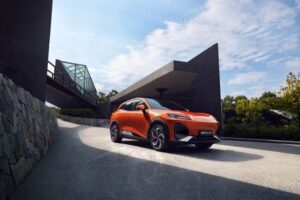
The 2026 Born adopts Cupra’s signature “shark nose” design from the Leon hot hatch and Formentor crossover. This front-end treatment creates a cohesive brand identity across the lineup.
Engineers redesigned the front bumper with a central grille featuring Cupra’s parametric design pattern. The aerodynamic improvements help extend driving range.
Triangular Matrix LED headlights perform a “Light Show” similar to the Tavascan SUV. Cupra’s signature lighting extends to illuminated door handles throughout the vehicle.
The rear design maintains visual coherence with a full-width LED light bar across the redesigned tailgate. A backlit Cupra logo adds depth to the rear styling. These rear lights also feature their own display sequence.
The new rear bumper includes a motorsport-inspired diffuser – a nod to Cupra’s Formula E success and back-to-back championships in the FIA ETCR series.
Interior Revolution
The cabin transformation goes far beyond cosmetic changes. Instead of an ID.3 interior with copper accents, the 2026 Born reflects Cupra’s performance focus throughout.
Cupra’s signature copper detailing returns, but cabin quality and ergonomics receive major upgrades. The interior feels distinctly different from the Volkswagen.
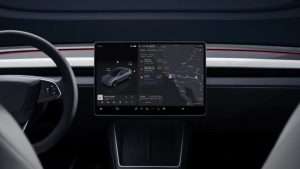
A 12.9-inch infotainment display comes standard with improved visual integration. The previous 5.3-inch driver display disappears in favor of a 10.25-inch unit with a bolstered surround that improves driver focus.
Physical buttons replace the haptic light controls from previous VW Group EVs. The steering wheel ditches haptic controls for tactile buttons on both sides, complete with copper stitching.
Window controls get a complete overhaul. The old system required selecting front or rear windows via a button, then using two switches to operate them. The new Born uses a traditional four-switch layout.
Android Automotive makes its Cupra debut in the Born. This operating system – used by Toyota, Volvo, Renault, Nissan, and Polestar since 2020 – represents the gold standard for EV interfaces.
Door panels feature new materials that add comfort and visual appeal. The improved driving position benefits from the larger driver display and its chunky surround. Physical buttons throughout the cabin reflect customer feedback.
Interior surfaces use 75% recycled materials from bottles and fishing nets. Unlike some competitors, the Born avoids cheap-feeling recycled trim while maintaining Cupra’s parametric design theme.
Pricing and Specifications
The facelifted Born arrives in summer 2026 with pricing to be announced closer to launch. Three trim levels offer two battery options and three power outputs.
Plus models use a 58kWh battery with a 188-horsepower motor delivering up to 280 miles of range.
Endurance trim features a 79kWh pack with 372 miles of range and 185kW charging capabilities.
The range-topping VZ shares the large battery but produces 322 horsepower and 401 lb-ft of torque. The front-mounted motor accelerates from 0-62 mph in 5.6 seconds.
Five drive modes include Range, Comfort, Performance, Cupra, and Individual settings. VZ and Endurance models add launch control, while the VZ gets 15-stage Dynamic Chassis Control and an enhanced sound signature.
New 235mm tires fit 19- or 20-inch wheels. Two designs are available for the smaller wheels, three for the larger option. The Firestorm pattern now comes in Cupra Copper finish.
Timanfaya Grey joins the color palette alongside Glacial White, Midnight Black, Aurora Blue, Vapor Grey, and Dark Forest.
The 2026 Born introduces Vehicle-to-Load capability, allowing the battery to power external devices from laptops to refrigerators. A smartphone-operated digital key comes standard.
Brand Identity Breakthrough
The original Born was attractive and more interesting than the ID.3, but it never felt sufficiently removed from its German cousin. This 2026 version achieves that separation.
The updated Born projects confidence through its design, interior execution, and performance capabilities. The front-end styling matches Cupra’s best models while the cabin finally reflects the brand’s performance philosophy.
In VZ specification, the power output competes with the finest electric hot hatches available today. The 2026 Born represents Cupra’s evolution from a Seat performance division into a standalone brand with its own clear identity.
If the driving experience matches the visual promise, the Born could electrify the battery-powered hatch segment in ways few expected.