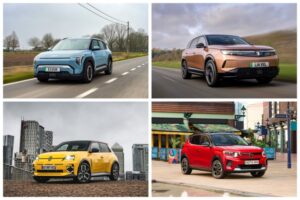
Autotrader’s latest data reveals EVs claimed the top spot on its platform during the second quarter, capturing 27% of new car enquiries – but the marketplace warns this surge might not last.
The dramatic increase comes as soaring fuel prices drove drivers toward electric vehicles’ lower running costs. That’s a significant jump from the 18% share EVs held during the same period in 2025, coinciding with the Iran conflict pushing fuel prices to their highest levels since Russia’s invasion of Ukraine in 2022.
EV enquiries grew 125% year-on-year in April alone – far outpacing the broader new car market’s 31% growth.
But Autotrader’s chief customer officer Ian Plummer isn’t celebrating yet. He’s concerned this conflict-driven interest represents a temporary “sugar rush” that could quickly fade without addressing deeper barriers to EV adoption.
The warning comes alongside Autotrader’s Road to 2030 report, which found only 10% of recent petrol or diesel buyers even considered an electric car.
“There’s a real risk geopolitical forces are causing a temporary sugar rush for the UK’s EV market as buyers respond to soaring petrol prices,” Plummer noted.
He emphasized the industry can’t rely on international conflicts to drive the transition. Previous spikes in EV interest triggered by fuel price increases haven’t sustained themselves – and there’s no guarantee this boost will either.
Price Gaps Narrow But Perceptions Lag
The Road to 2030 report identified persistent obstacles that keep drivers away from EVs. 84% of recent car buyers think electric cars are expensive to purchase, while 69% consider charging inconvenient.
Those perceptions don’t match current market reality.
Autotrader’s data shows the average new EV actually cost less than petrol models in March and April. By May, petrol cars held just a £13 advantage – a massive shift from the £3,607 gap in the same period last year.
But changing market dynamics haven’t translated into changed minds.
Used Market Needs Support
Plummer argues the industry focus on new car sales misses where most drivers actually buy – the used car market serves three-quarters of all buyers.
He’s calling for a portion of the current Electric Car Grant, which offers up to £3,750 in discounts, to shift from new to used vehicle purchases. The government should also reconsider its planned pay-per-mile eVED scheme, which could discourage drivers from making the switch.
“Electric mass adoption is an exciting opportunity to change how we drive but we must be aware of the realities,” he said. “There’s a chance the sales boost we’re seeing now will dry up future interest so we must work to address underlying barriers to adoption.”
The transition timeline adds urgency – less than five years remain until the ban on new petrol and diesel car sales takes effect.
Plummer stressed that thousands of people on lower household incomes are being left behind, and the government should ensure an accessible transition for all drivers.
‘Issue is Communication, Not Confidence’
Tanya Sinclair, CEO of Electric Vehicles UK, pushes back on Autotrader’s concerns. She believes the barriers mentioned in the report stem more from communication gaps than real problems.
“When only 10% of non-EV buyers say they considered going electric, that’s not just a confidence problem; it’s an information problem,” Sinclair commented.
She points to increasingly compelling facts: new EVs now match petrol cars on price, ranges exceed 300 miles, and the public charging network includes more than 120,000 charge points.
Sinclair argues that when drivers receive accurate information instead of outdated myths, interest converts to actual purchases. The demand exists and sales data confirms it’s growing – without needing geopolitical shocks to make the case.
The EV case, she insists, makes itself.