Britain’s electric van market suffered another setback in March, with battery electric light commercial vehicle registrations dropping 15.9% to just 3,543 units. It’s the weakest monthly performance since September 2024.
The Society of Motor Manufacturers and Traders reported electric vans captured only 7.1% market share during what’s traditionally the busiest month for van sales. The new number plate change usually drives higher registrations.
Diesel vans continue to dominate the sector. They powered more than 85% of all new LCV registrations last month.
Quarterly Numbers Paint Grim Picture
The first quarter of 2026 shows battery electric van demand grew just 4.3%. That gives electric vans a 9.0% share of the overall market.
This figure sits at roughly one-third of the 24% zero emission sales mandate manufacturers must hit this year. The gap looks increasingly difficult to close.
The broader LCV market contracted 3.4% in March, with 49,505 vans, pickups and 4x4s registered. It was the weakest March since 2023 and extends a decline that’s now hit 14 of the past 16 months.
Pickup sales collapsed 54.0% to 3,732 units – the chief drag on the market. The sector continues struggling after last April’s changes to Benefit in Kind and capital allowance rules for double cab pickups.
Industry officials argue these rule changes are discouraging businesses from replacing older, dirtier vehicles.
Large vans bucked the trend with an 8.7% rise to 34,805 units. Medium vans edged up 2.3%.
Infrastructure Challenges Persist
Manufacturers now offer some 40 zero emission LCV models – more than half the vans available to buy. But uptake figures suggest deeper structural barriers remain.
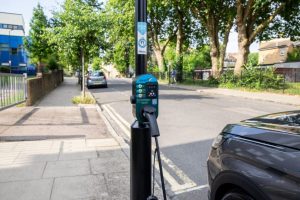
Higher purchase prices compared with diesel equivalents continue to deter fleet operators. The cost of depot charging infrastructure and a shortage of public charge points suitable for larger commercial vehicles are also holding back adoption.
Some encouraging policy moves have emerged:
- The Plug-in Van Grant has been extended to 2027
- A new Depot Charging Scheme has been announced
- Changes to planning rules for private charger installations are in the pipeline
But industry officials maintain these measures alone won’t be enough.
SMMT chief executive Mike Hawes described the March figures as deeply concerning. He warned that waning electric van demand is increasingly alarming when sales need to accelerate sharply to meet toughening mandated levels.
The industry maintains these measures alone will not be enough.
Hawes called for a holistic review of the van transition to be brought forward.
For an electric van market that needs to roughly treble it’s current share within the year, the clock is ticking uncomfortably fast. The transition to zero emission commercial vehicles faces mounting pressure as regulatory deadlines approach.