According to the Norwegian Road Traffic Information Council (OFV), only seven petrol cars were registered in Norway last month – alongside just 98 diesels and 29 hybrids.
The stark numbers reflect broader market trends as Norwegian buyers delayed purchases to avoid new year tax increases. December saw massive EV sales as consumers rushed to beat the deadline.
Electric vehicles captured 95.9% of all new-car sales in Norway last year.
The country’s dominance stems from high carbon taxes on traditional vehicles, substantial EV subsidies, and minimal political opposition to electric adoption. These policies have created an environment where combustion engines simply can’t compete on price.
Used Market Following New Car Trends
The OFV reports electric vehicle demand is spreading beyond new car showrooms into the second-hand market. Used EV sales jumped 22.7% year-on-year this January, with electric vehicles now representing one in four used cars sold.
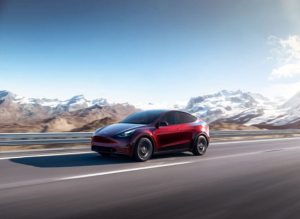
Tesla Model Y leads Norway’s EV market with a commanding 19% share.
“Electrification is now taking clear hold in the used car market as well. This makes the electric car a more accessible alternative for far more buyers than before,” said OFV director Geir Inge Stokke.
Norway’s EV leadership isn’t happening in isolation across Europe. Denmark has seen electric vehicle sales rocket from 2% to 68% over the past decade – a transformation that mirrors Norway’s earlier transition.
The Netherlands, Finland, Belgium, and Sweden have all pushed electric vehicle market share above 33%.
UK Market Gains Momentum
Recent data from used car specialists Cinch shows the UK’s electric vehicle momentum building. Used EV sales rose 29% year-on-year while prices dropped 4% between 2024 and 2025.
Tesla dominated UK used EV sales, followed by Volkswagen, Hyundai, Vauxhall, and Kia.
The price drops make electric vehicles more accessible to buyers who couldn’t afford new models. As Norway’s experience demonstrates, government policy can accelerate this transition – but market forces are increasingly driving adoption across European markets regardless of subsidies.
Norway’s near-complete shift to electric represents what’s possible when policy and market incentives align. Other European countries are following similar trajectories, though few have matched Norway’s comprehensive approach to eliminating combustion engine advantages.