Ford announced upgrades to its entry-level electric vehicles, boosting both range and performance through new battery technology. The Ford Capri and Explorer now feature improved specifications that address two key concerns for EV buyers.
The Capri Standard Range can now travel 288 miles on a single charge – that’s 45 miles more than the previous version. The Explorer’s range jumped from 233 to 276 miles.
Both vehicles share the same 52kWh battery pack.
Ford replaced the old 167bhp motor with a more powerful 187bhp unit that delivers 258lb ft of torque. That’s 40lb ft more than its predecessor. The new rear-mounted electric motor cuts both cars’ 0-62mph acceleration time from 8.7 seconds to eight seconds flat.
New Battery Chemistry Delivers Results
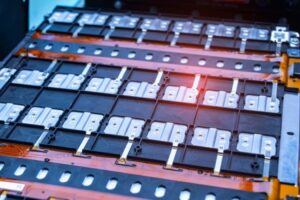
The range boost comes from Ford’s switch from nickel-manganese-cobalt chemistry to lithium-iron-phosphate technology.
LFP batteries offer better durability and reduce dependence on high-demand raw materials, according to Ford. The automaker says the more robust battery chemistry lets customers regularly charge to 100 percent capacity without worrying about battery degradation.
That’s a significant advantage over traditional NMC batteries, which typically perform better when charged to around 80 percent for daily use.
“By upgrading the Explorer and Capri with new LFP battery technology, we are increasing range and durability while keeping it affordable for our customers,” said Jon Williams, general manager, Ford Blue and Model e, Europe.
Williams emphasized the practical benefits of the technology upgrade.
“This is the definition of continuous improvement: using cutting-edge innovation to deliver a better, more capable product without compromise. Adding up to 70km of range to our affordable standard range offering will inspire even more drivers to make the switch to electric.”
Pricing and Market Context
The entry-level Capri currently starts at £37,845, while the Explorer begins at £35,825. Ford hasn’t indicated whether the cheaper battery technology might reduce starting prices for either model.
The move aligns Ford with other manufacturers adopting LFP technology for more affordable EVs.
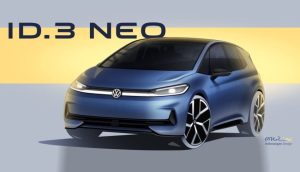
Renault and Volkswagen are both implementing LFP batteries in upcoming models. The new Twingo and ID. Polo will both use LFP technology when they arrive in late 2026.
LFP batteries typically cost less to produce than NMC alternatives, though they generally offer lower energy density. Ford’s ability to increase range while switching to LFP suggests significant improvements in battery management and vehicle efficiency.
The upgrades represent Ford’s effort to make its electric crossovers more competitive in the growing EV market – particularly against rivals offering similar range at comparable price points.