Lucid Motors confirmed it’s bringing its electric vehicles to the UK in 2027, according to company officials. The US manufacturer will launch five years after it first introduced the Air sedan to mainland European markets.
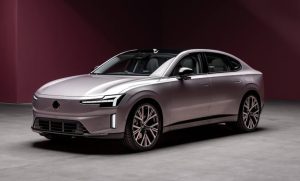
The automaker’s UK debut will feature the Cosmos – a premium SUV that’ll compete directly with the BMW iX3 and Volvo EX60. The vehicle runs on a dedicated 800-volt platform designed specifically for fast charging.
Lucid plans to release the Cosmos later this year from its new manufacturing facility in Jeddah, Saudi Arabia. The company designed the SUV for right-hand-drive markets from the start.
Expanding the Lineup
The manufacturer will add an adventure-focused model called the Earth in 2028. This rugged SUV will target off-road enthusiasts and outdoor adventure drivers.
A larger, more practical version of the Cosmos will follow the Earth’s release.
Lucid is also considering converting its full-sized Gravity SUV to right-hand-drive configuration. That decision depends on how well the Cosmos performs in UK markets.
European Strategy
The company just signed its first dealer partnership in Germany and plans to use traditional dealership networks when it enters the UK market. Lucid doesn’t have plans to establish European manufacturing operations.
Lucid launched the Gravity in 2025 and has already updated it for the 2027 model year. The refresh includes DreamDrive 2 Premium – a collection of Level 2 driver assistance features. The updated model also comes with an additional key fob.
The Saudi Arabian Public Investment Fund continues backing Lucid despite recent production challenges and missed targets. The fund has been the company’s primary financial supporter since 2019.
Pricing and Technology
UK pricing for the Cosmos hasn’t been announced yet. Reports suggest the SUV will start under $50,000 – roughly £37,000 at current exchange rates.
Lucid plans to keep development costs down by sharing 95% of components across its SUV lineup.
The Cosmos will operate on just three electric control units, indicating Lucid’s shift toward a software-defined vehicle architecture. This approach allows for more over-the-air updates and streamlined electronics management.