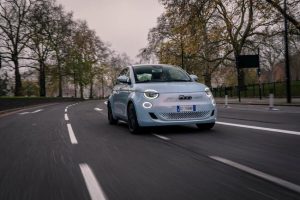
Nissan’s third-generation Leaf claimed the Women’s Worldwide Car of the Year 2026 title after beating luxury and performance models in a close contest.
The family hatchback defeated entries from Skoda, Mercedes, Toyota and Lamborghini for the overall award. A panel of 86 female automotive journalists from 55 countries cast votes for the annual recognition.
Marta García, executive president of WWCOTY, said the competition was exceptionally tight this year.
“There was significant parity in the voting. Several models received very similar levels of support, which reflects the exceptional quality and diversity of today’s automotive industry. In the end, however, the Nissan Leaf prevailed.”
The Leaf first won its Compact Car category before advancing to the final round.
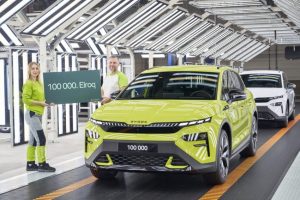
It then defeated three other EVs – the Skoda Elroq, Mercedes-Benz CLA and Hyundai Ioniq 9. The Toyota 4Runner and Lamborghini Temerario also competed for the top prize.
Judges highlighted the Leaf’s practical approach to electric driving over more complex alternatives.
Practical Design Wins Over Technology
The judging panel praised what they called a “coherent and realistic approach to electric mobility.”
Their assessment focused on real-world usability rather than advanced tech features.
“It is a 100% electric vehicle designed for realistic and accessible everyday use. It stands out for its practical approach, offering smooth, quiet driving and outstanding efficiency, particularly in urban and suburban environments.”
The judges noted the Leaf’s interior space and ease of use as key advantages.
They said it delivers “one of the most intuitive electric driving experiences on the market” without relying on overly complex solutions.
Ivan Espinosa, president and CEO of Nissan, said the recognition validates the company’s approach to mainstream electric mobility.
“New Leaf being named overall winner by the Women’s Worldwide Car of the Year is a proud moment for everyone at Nissan. Leaf helped bring electric driving into the mainstream, and this new generation carries that mission forward.”
He emphasized the vehicle’s accessibility goals.
“It’s designed to make going electric easier and more enjoyable for more people around the world.”
García stressed that the judging criteria prioritized real-world benefits over impressive specifications.
“In our voting, we have focused on vehicles that stand out not only for their figures or technology, but for how effectively they respond to people’s real, everyday needs.”
She described the winning car as representing “a mature and intelligent vision of electrification – one that makes electric mobility truly usable and accessible.”
The success of multiple EVs in the final round reflects broader industry changes, according to judges.
They said the results show “electrification, sustainability and user-centered design have become fundamental pillars” in automotive development.