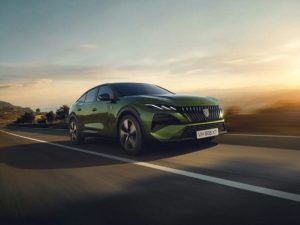
Leapmotor has launched the C10 REEV for 2026, adding a petrol generator to its all-electric C10 SUV that’s been on sale since May 2025. The range-extender model uses electric drive backed up by a 1.5-litre four-cylinder petrol generator that charges the batteries without directly powering the wheels.
The Sino-European partnership, backed by Stellantis, says Chinese customers often choose REEV models first due to range anxiety and charging concerns, then move to full electric vehicles later.
It might seem like a step backwards to add petrol components to an EV. But for buyers wanting an electric driving experience who can’t charge at home, it’s an interesting option.
Design and Interior
You’ll struggle to tell the C10 REEV apart from the all-electric version from the outside. Both models share the same design – big and handsome in a forgettable way.
There’s a Mazda-like simplicity to the panels. No dramatic scoops or sharp angles here, just smooth lines from the curved headlights back to the full-width light bar.
The interior follows a familiar pattern for Chinese electric SUVs. It’s a flat dash with a massive screen and smaller digital instrument panel. There’s a wide centre console with wireless charging and cupholders, plus unmarked controls on the steering wheel.
Everything runs through the screen – no physical buttons. While the panel is clear and responsive, the shortcut buttons are small and there’s a maze of menus hidden behind them. It’s not as user-friendly as rivals like the Skoda Enyaq or Citroen e-C5 Aircross.
Material quality impresses though. Everything feels as well-built as European alternatives and the materials are robust but pleasant.
The C10 delivers generous passenger space. Back seat passengers get plenty of head and legroom, though the 400-litre boot is surprisingly small. Front space feels a bit restricted for taller drivers.
Powertrain Performance
Leapmotor calls the C10 REEV the UK’s first range-extender, though that overlooks the failed Mazda MX-30 R-EV.
The system uses a 212bhp electric motor driving the front wheels, just like the C10 BEV. But instead of relying solely on charging, a 1.5-litre petrol generator keeps the 28.4kWh battery topped up. It’s similar to Nissan’s e-Power hybrid system in the Qashqai.
The key difference is that the C10’s battery can also be plugged in like a traditional plug-in hybrid. It charges at up to 11kW AC or 65kW DC, delivering a 30-80% top-up in around 18 minutes.
Driving feels just like an EV. There’s instant throttle response and while it’s not dramatically quick, it’s punchy enough for a large family SUV. The electric components operate quietly and smoothly. When the petrol motor kicks in, it produces a faint gruff rumble – much better than the pained howl from Nissan’s system.
Four drive modes manage when the generator operates. EV+ keeps the generator off until the battery drops to 9%. Power+ uses the generator to maintain battery charge and feed the motor directly for maximum performance.
Leapmotor claims 90 miles of pure electric range before the battery depletes. Combined with the 50-litre fuel tank, total range should reach 603 miles.
Official testing quotes 700mpg fuel efficiency – though real-world figures are complex to calculate. The test car showed 3.6 miles per kWh electric and 41.5mpg petrol consumption.
For specific users, it’s a refined and capable powertrain.
The chassis is less impressive. Like the smaller B10, the C10 never feels entirely settled. It’s more firmly sprung than the B10, which provides better control but transmits bumps and potholes more harshly into the cabin.
Steering lacks feel and communication. There’s little sensation or connection between the wheel and road – European and Korean rivals deliver more reassuring feedback.
Pricing and Equipment
Leapmotor’s biggest advantage is price. The C10 REEV costs £36,500 with everything included as standard.
That means 20-inch alloys, powered tailgate, panoramic roof, heated and cooled front seats, dual-zone climate control, adaptive cruise control, 12-speaker stereo and heat pump. There’s also facial recognition, electronic air vents and music-synchronized ambient lighting.
You’d spend thousands more for similar specification from comparable rivals. The only similarly priced alternative is the Skywell BE11, which feels miles behind in every area.
The REEV costs exactly the same as the C10 BEV, giving buyers a straightforward choice.
Final Assessment
The C10 REEV is bland to look at and mediocre to drive.
But it’s undeniably a lot of car for the money. Passenger space is generous, equipment levels are high and the powertrain will suit many buyers’ needs.
Whether it’s worthwhile when the 263-mile BEV costs the same depends on personal circumstances. For those still hesitant about full electric vehicles, it could be worth considering.
Specifications
- Price: £36,500
- Powertrain: Single electric motor with 1.5-litre petrol generator, front-wheel-drive
- Battery: 28.4kWh
- Power: 212bhp
- Torque: 236lb ft
- Top speed: 106mph
- 0-62mph: 8.5 seconds
- Range: 90 miles (pure EV); 603 miles combined
- Consumption: 3 miles/kWh; 706mpg
- CO2 emissions: 38g/km
- Charging: up to 65kW DC