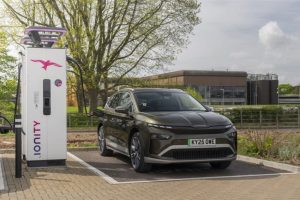
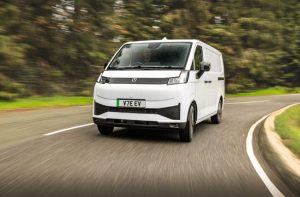
Electric vehicles hit a new milestone in May, capturing 27.3% of the UK’s new car market – their highest share yet this year. The surge helped push the overall market to its strongest May performance since 2019.
BEV registrations jumped 34.2% compared to last year, easily beating the overall market’s 7.1% growth to 160,662 units, according to the Society of Motor Manufacturers and Traders (SMMT).
Private buyers drove most of the growth. Retail registrations climbed 17.2% as shoppers took advantage of competitive deals from more brands than ever before.
Model choice expanded 6.4% overall, with electric vehicle options up 25.6% year to date. Fleet demand rose a modest 1.8% but still made up more than half of all registrations at 57.1%. Business sector purchases dropped 18.8%, though that represented just 720 fewer units.
The market’s transformation accelerated across all vehicle types. Petrol registrations fell 7.1% and diesel dropped 2.2%. Hybrids grew 1.8% while plug-in hybrids surged 23.9% to capture 13.8% market share.
May’s electric vehicle performance builds on March’s record of 86,120 EV registrations. The UK now has more than two million fully electric vehicles on its roads.
Discounts and Choice Drive Growth
The SMMT credits expanding model availability and intense competition for May’s gains. Manufacturers continue offering substantial discounts to boost EV sales.
Government support helps too. The Electric Car Grant provides up to £3,750 off eligible models, stimulating demand alongside growing consumer interest during economic uncertainty.
But the transition still lags regulatory requirements.
EVs account for just 23.9% of registrations year to date – well short of the 33% needed under the Zero Emission Vehicle mandate for 2026. Manufacturers face mounting compliance costs as the gap between targets and actual demand widens.
The pressure’s about to get worse. This week’s seventh Carbon Budget envisions EVs comprising 95% of new UK car and van sales by 2030. That’s far beyond current mandate targets of 80% for cars and 70% for vans.
Industry Warns of Unrealistic Timeline
The automotive sector’s response is direct: tripling EV demand in three years looks highly unlikely under current conditions.
Such ambitious targets need equally ambitious fiscal and investment support, industry leaders argue. Without a comprehensive transition review, the UK risks undermining its investment appeal, limiting consumer choice, and slowing fleet renewal essential for cutting transport emissions.
“Britain’s car buyers are responding to a market offering more choice than ever, from both new and familiar brands, resulting in a robust May,” said Mike Hawes, SMMT chief executive. “The EV transition is progressing, but consumer uptake still lags behind even today’s targets, let alone the ambition set out in the latest Carbon Budget.”
Hawes emphasized the industry shares long-term environmental goals but wants realistic pathways.
“While industry shares the long-term ambition, the pathway to Net Zero must be credible. It cannot come at the cost of lost competitiveness and deindustrialisation. A review of the transition is now urgent to ensure ambition matches market realities and we have a sustainable path to road transport decarbonisation.”
May’s total registrations remain 12.6% below pre-pandemic levels, but the trajectory is clear – electrified vehicles are leading the recovery.